
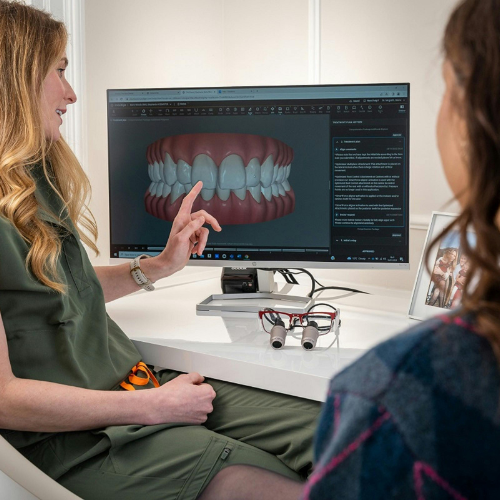
Dental implants have become one of the most reliable and long-lasting solutions for replacing missing teeth. They restore chewing ability, improve appearance, and function much like natural teeth. However, the success of dental implant treatment depends on more than simply replacing a missing tooth. One of the most important factors is the health and strength of the jawbone that supports the implant.
The jawbone acts as the foundation for a dental implant. Without sufficient bone density and volume, the implant may not achieve the stability required for long-term success. This is why dentists perform detailed examinations before recommending treatment. Patients researching dental implants windsor gardens & implant centre often discover that evaluating bone health is one of the first and most important steps in the implant journey. Understanding why bone health matters helps patients prepare for treatment and improve their chances of successful long-term results.
Why Bone Health Is Essential for Dental Implants
Unlike bridges or dentures, dental implants are placed directly into the jawbone, where they function as artificial tooth roots. After placement, the implant gradually bonds with the surrounding bone through a natural process called osseointegration.
A healthy jawbone provides:
- Strong implant support
- Long-term stability
- Proper chewing function
- Even bite distribution
- Natural facial structure
If the jawbone lacks adequate density or volume, additional treatment may be necessary before implant placement.
What Causes Jawbone Loss?
Bone is living tissue that constantly changes in response to stimulation. Natural tooth roots provide the pressure needed to keep the jawbone healthy during everyday chewing.
When a tooth is lost, the surrounding bone no longer receives that stimulation and gradually begins to shrink.
Several factors may contribute to bone loss, including:
- Missing teeth for an extended period
- Advanced gum disease
- Dental infections
- Trauma or injury
- Smoking
- Certain medical conditions
- Poor oral hygiene
The longer a missing tooth remains untreated, the greater the chance of significant bone loss.
How Dentists Evaluate Bone Health
Before recommending implant treatment, dentists perform a comprehensive examination to determine whether the jawbone can adequately support an implant.
The evaluation typically includes:
Clinical Examination
The dentist assesses the health of the teeth, gums, and surrounding oral tissues.
Digital X-Rays
Dental X-rays provide valuable information about bone levels and existing oral health conditions.
3D CBCT Imaging
Cone Beam Computed Tomography (CBCT) creates detailed three-dimensional images that allow dentists to accurately evaluate:
- Bone height
- Bone width
- Bone density
- Location of nerves
- Position of the sinuses
This advanced imaging improves treatment planning while reducing surgical risks.
What Happens If There Is Not Enough Bone?
Insufficient bone does not automatically prevent someone from receiving dental implants.
Depending on the situation, the dentist may recommend procedures designed to rebuild or preserve bone before implant placement.
Possible options include:
- Bone grafting
- Sinus lift procedures
- Ridge preservation
- Guided bone regeneration
These treatments help create a stronger foundation that supports successful implant placement.
Bone Grafting Explained
Bone grafting is one of the most common procedures performed before implant treatment when bone loss has occurred.
The procedure involves placing grafting material into areas where additional bone support is needed.
Over time, the graft integrates with the patient’s natural bone, creating improved volume and strength for future implant placement.
The healing period varies depending on individual treatment needs.
Lifestyle Factors That Influence Bone Health
Good oral health habits contribute significantly to successful implant treatment.
Patients are encouraged to:
Maintain Excellent Oral Hygiene
Healthy gums reduce the risk of infection before and after implant placement.
Avoid Smoking
Smoking affects blood circulation and may slow healing while increasing the risk of implant complications.
Eat a Balanced Diet
Foods rich in calcium, vitamin D, and protein support healthy bones and healing.
Attend Regular Dental Visits
Routine examinations allow dentists to identify problems early before significant bone loss develops.
These habits improve overall oral health while supporting long-term implant success.
Comprehensive Dental Care Supports Better Outcomes
Dental implants are often part of a broader restorative treatment plan.
For example, patients with infected teeth may first require root canal campbelltown treatment to eliminate infection and preserve natural teeth wherever possible.
If damaged teeth require additional protection, a dental crown bella vista may be recommended to restore strength and function rather than replacing the tooth.
Patients interested in improving smile appearance after restorative treatment may also consider porcelain veneers narellan to enhance the colour, shape, and symmetry of visible teeth.
By combining preventive, restorative, and cosmetic dentistry, patients can achieve healthier smiles while maximizing long-term treatment success.
Long-Term Care After Dental Implant Placement
Once dental implants have successfully integrated with the jawbone, maintaining them becomes an important part of oral health.
Patients should:
- Brush twice daily
- Floss around implants using recommended cleaning aids
- Attend regular professional cleanings
- Avoid chewing excessively hard objects
- Wear a night guard if teeth grinding is present
- Follow all post-treatment instructions provided by the dentist
Although implants cannot develop cavities, the surrounding gums and supporting bone still require ongoing care.
Choosing an Experienced Dental Team
Successful implant treatment depends on careful planning as much as the surgical procedure itself.
An experienced dental provider evaluates:
- Bone quality
- Gum health
- Medical history
- Bite alignment
- Overall oral condition
- Long-term treatment goals
Comprehensive planning allows treatment to be tailored to each patient’s individual needs while improving the likelihood of lasting success.
Conclusion
Bone health plays a critical role in the long-term success of dental implants. A strong and healthy jawbone provides the stable foundation necessary for implants to function like natural teeth while supporting long-term oral health. Early assessment, advanced imaging, and personalized treatment planning help ensure patients receive the most appropriate care before implant placement.
Individuals considering dental implants windsor gardens should seek professional evaluation to assess their bone health and overall oral condition. Whether treatment also involves preserving natural teeth through root canal campbelltown, restoring damaged teeth with a dental crown bella vista, or enhancing smile aesthetics using porcelain veneers narellan, a comprehensive approach to dental care provides the best opportunity for healthy, functional, and long-lasting results.