The increasing interest in yoga classes sydney reflects a wider shift toward sustainable wellbeing practices that address both physical health and mental clarity. As urban lifestyles place growing demands on time, attention, and energy, structured yoga classes provide an accessible framework for restoring balance. Rather than functioning as a trend-driven activity, yoga offers a methodical practice that integrates movement, breath, and awareness.
The Purpose of Studio-Based Yoga Classes
Yoga classes delivered in a studio environment are designed to provide structure and guidance. Unlike self-directed practice, studio classes follow a considered format that supports consistency and safety.
Guided Instruction and Safe Movement
Qualified instructors play a central role in helping students understand posture, alignment, and pacing. This guidance reduces the likelihood of injury and encourages mindful participation rather than performance-based outcomes. For beginners in particular, clear instruction builds confidence and promotes long-term engagement with the practice.
Adaptability for Different Experience Levels
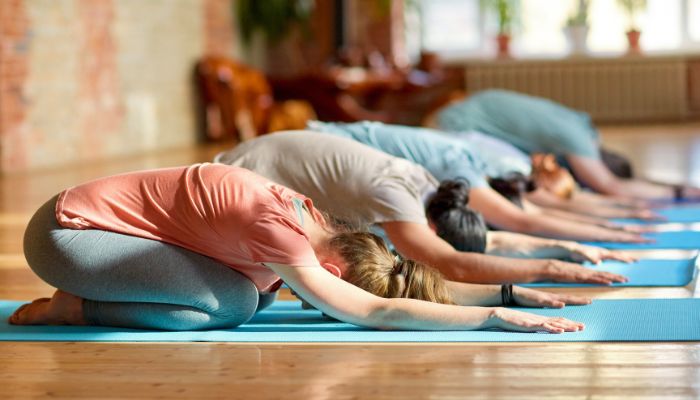
Most yoga classes are structured to accommodate a range of abilities. Teachers often provide variations that allow participants to work within their current capacity. This inclusive approach supports gradual progression and makes yoga accessible to people of different ages and fitness backgrounds.
Physical and Mental Benefits of Regular Practice
Yoga classes offer benefits that extend beyond physical conditioning. When practiced consistently, yoga supports both bodily function and mental resilience.
Supporting Mobility, Strength, and Posture
Through controlled movement and sustained postures, yoga helps improve flexibility, joint mobility, and muscular balance. These physical benefits are particularly valuable for individuals who spend extended periods sitting or performing repetitive tasks.
Regulating Stress Through Breath Awareness
Breathwork is a foundational element of yoga practice. Coordinating breath with movement helps regulate the nervous system and can improve focus and emotional regulation. These techniques often carry over into daily life, offering practical tools for managing stress outside the studio.
The Role of Environment and Community
The physical and social environment of a yoga studio contributes significantly to the overall experience.
Creating Space for Focus and Consistency
A calm, dedicated space allows participants to step away from external distractions. Practicing in a studio setting encourages regular attendance, which is one of the most important factors in experiencing long-term benefits.
Shared Practice Without Pressure
While yoga classes are often quiet and introspective, practicing alongside others can foster a sense of continuity and commitment. This shared experience supports motivation without requiring social interaction or comparison.
Choosing Yoga Classes in Sydney
People exploring yoga classes sydney often consider factors such as teaching style, class structure, and studio philosophy. Studios that prioritise clarity, inclusivity, and mindful progression tend to support sustainable practice. Rather than emphasising rapid results, these environments encourage patience and self-awareness.
Many practitioners in Sydney engage with yoga through dedicated studios such as Hum Studio, where structured movement and wellbeing-focused instruction form the basis of regular practice.
Conclusion
Yoga classes offer a practical and adaptable approach to maintaining physical health and mental balance in a demanding urban environment. Through guided instruction, mindful movement, and consistent practice, yoga provides tools that support long-term wellbeing rather than short-term outcomes. As interest in holistic health continues to grow, studio-based yoga remains a relevant and accessible option for individuals seeking stability, awareness, and sustainable self-care.