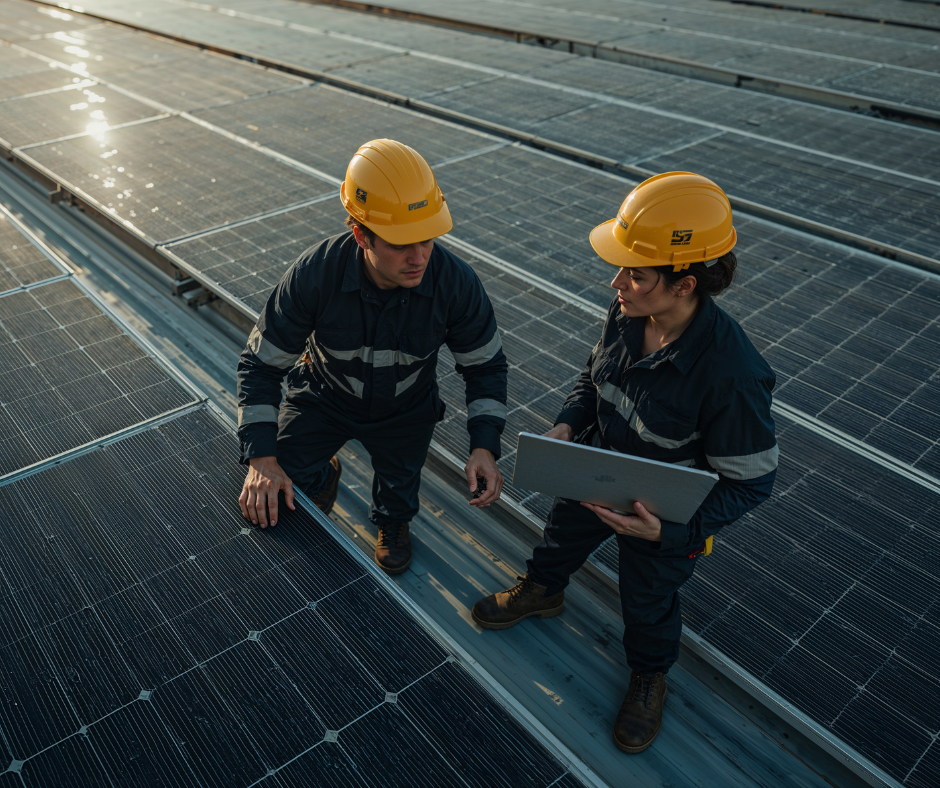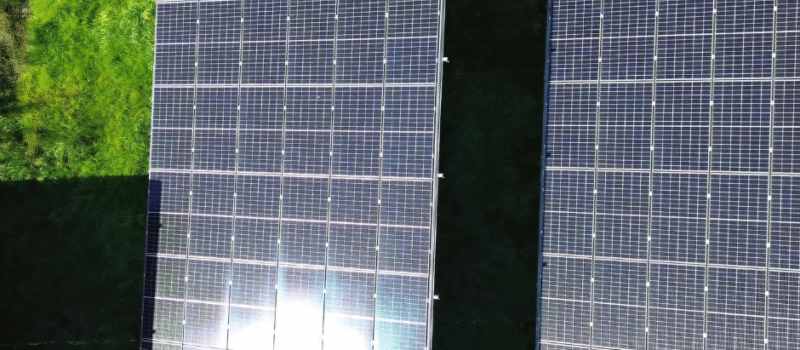
Homeowners and businesses increasingly adopt solar power because energy costs keep rising and sustainability practices become essential. In Cairns, which has abundant sunlight, solar investments make sound financial sense but future-proof solar system design provides additional benefits.
The combination of solar panels in cairns and battery storage with smart energy systems enables you to achieve maximum savings and operational efficiency while securing your energy needs for the future. The system planning process requires you to create a design which meets current needs while supporting future requirements.
Why Future-Proofing Your Solar System Matters
A standard solar system can reduce electricity bills, but energy needs and technologies are evolving rapidly. A future-proof system is designed to:
- Adapt to increasing energy consumption
- Integrate with battery storage
- Support smart home technologies
- Maximize return on investment over time
In Cairns, where sunlight is abundant year-round, optimizing your solar setup can significantly boost performance and savings.
Step 1: Understand Your Current and Future Energy Needs
Before you install solar panels for your home or business operation you must first assess your current energy consumption and future energy needs. The first step to evaluate your system needs requires you to answer three questions. The first question asks whether you plan to acquire electric vehicles. The second question requires you to assess your plans for air conditioning installation and appliance upgrades. The third question asks about your plans to expand your household or business operation. Your system needs future planning to avoid early technology obsolescence.
Step 2: Choose the Right Solar System Size
Before you install solar panels for your home or business operation you must first assess your current energy consumption and future energy needs. The first step to evaluate your system needs requires you to answer three questions. The first question asks whether you plan to acquire electric vehicles. The second question requires you to assess your plans for air conditioning installation and appliance upgrades. The third question asks about your plans to expand your household or business operation. Your system needs future planning to avoid early technology obsolescence.
Step 3: Integrate Battery Storage from the Start
The solar system of the future requires battery storage as its essential component. The system allows you to store extra power which you would normally send back to the grid to use during nighttime and power outages.
The integration of batteries provides these advantages to users
- Enhanced energy independence to users
- Backup power availability during blackouts
- Enhanced self-consumption of solar energy by users
The battery-ready system provides you with a straightforward path to future battery upgrades even if you choose not to install a battery at this time.
Step 4: Use Smart Energy Management Systems
Smart energy systems enable solar energy systems to achieve their highest performance level. The technologies measure and enhance all aspects of energy production and storage and consumption. Smart systems enable users to monitor their energy consumption at any moment. The system automatically selects solar power as the main energy source while it chooses grid electricity as its secondary option. Users can set their appliances to operate during the hours when solar power generation reaches its maximum capacity. The process leads to better efficiency results while it generates maximum financial gains.
Step 5: Consider Local Climate and Installation Factors
The solar power system in Cairns depends on the citys tropical weather patterns. The planning process for your installation requires you to assess these three factors:
- Roof orientation and tilt
- Shading from trees or nearby structures
- Weather conditions like humidity and storms
A professional installer will design the system to operate efficiently under certain environmental conditions while safeguarding it from potential damage.
Step 6: Choose High-Quality Components
A future-proof solar system depends on reliable components. The performance of the system will improve when we invest in high-quality panels, inverters, and batteries because these components will decrease maintenance expenses and extend the system’s operational period. The system requires products which have both extensive warranties and demonstrated effectiveness under Australian environmental conditions.
Step 7: Work with an Experienced Solar Installer
Selecting an appropriate installer carries equal weight to selecting an appropriate system. An experienced provider will:
- Assess your energy needs accurately
- Design a scalable system
- Ensure proper installation and compliance For those exploring reliable solar solutions Green Cell Energy offers tailored systems which provide long-term efficiency and sustainability.
Long-Term Benefits of a Future-Proof Solar System
Planning ahead offers several advantages:
- The solution will decrease electricity expenses for multiple years.
- The solution protects against increasing energy prices.
- The solution will enhance the worth of the property.
- The solution will decrease damage to the environment.
Your solar system functions as a permanent financial asset when you establish proper system components. The statement above shows that solar systems become permanent assets when proper components are used.
Final Thoughts
The installation of solar panels in Cairns represents a wise decision which becomes more beneficial through the implementation of future-proofing measures. The development of your energy system requires you to establish growth plans while implementing battery storage solutions and advanced energy management technologies. The present moment serves as the ideal opportunity for you to establish a solar system that extends beyond fundamental requirements to prepare your needs for future demands.