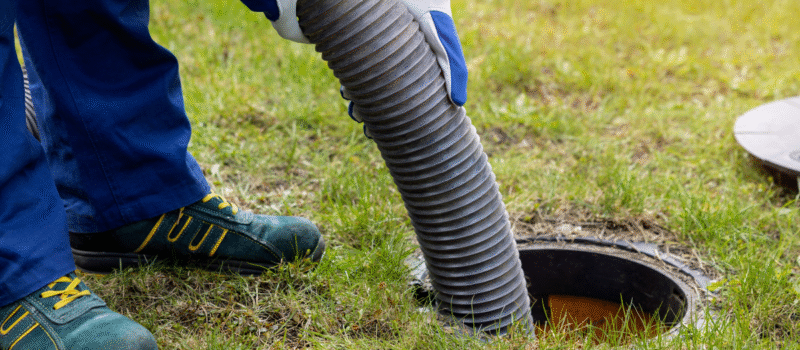
The intricate network of pipes hidden beneath your floors and behind your walls is the most critical infrastructure in your home or business. Most property owners rarely think about their Sewer and Drain Systems until a backup occurs, yet these systems are responsible for the vital task of transporting wastewater away from your premises safely and hygienically. Maintaining the integrity of these lines is not just a matter of convenience; it is a necessity for health and structural preservation. At Apex Plumbing Services, we believe that educated property owners are better equipped to handle maintenance, which is why we have developed this comprehensive guide to help you understand the mechanics, challenges, and care required for your underground plumbing.
The Mechanical Design of Residential and Commercial Lines
To truly appreciate the importance of maintenance, one must first understand how Sewer and Drain Systems function. These systems rely primarily on the force of gravity to move waste. Every drain in your building is connected to a series of smaller branch lines that eventually feed into a primary main sewer line. This main line is sloped at a very specific angle to ensure that both liquids and solids move at a consistent pace toward the municipal sewer or a private septic tank. When this delicate balance of gravity and flow is interrupted by debris or structural damage, the entire system can fail, leading to the unsanitary and stressful experience of a sewage backup.
Identifying the Primary Causes of System Blockages
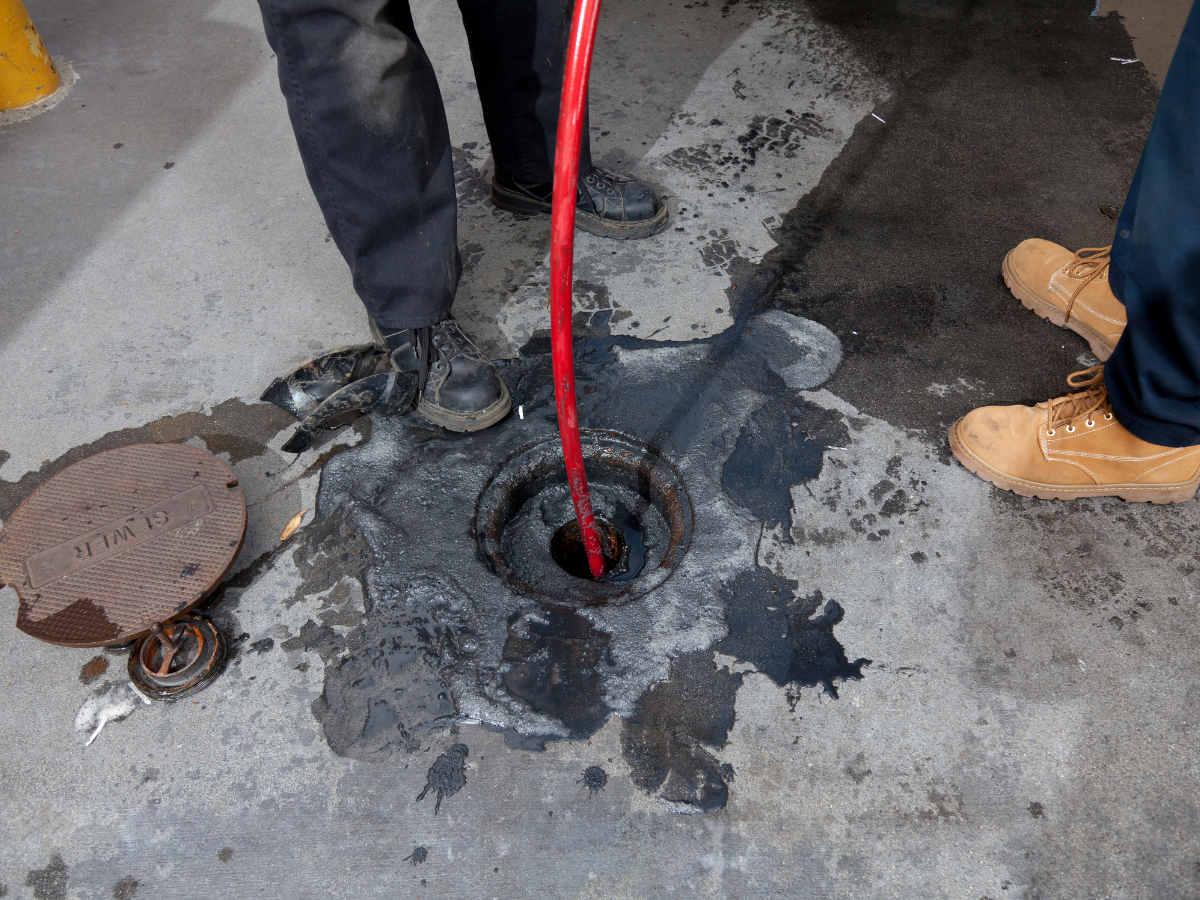
Blockages within Sewer and Drain Systems are rarely the result of a single event; rather, they are usually the culmination of gradual buildup over several months or years. In kitchen environments, the most common culprit is the accumulation of fats, oils, and grease. While these substances may be liquid when poured down the drain, they quickly cool and solidify inside the pipes, acting like a magnet for other debris. In bathroom lines, the primary causes of failure include the flushing of non-flushable items such as “flushable” wipes, paper towels, and hygiene products. These materials do not break down like toilet paper and eventually create a physical dam within the pipe that prevents wastewater from passing.
The Environmental Impact of Invasive Tree Roots
Beyond human-caused clogs, environmental factors play a massive role in the health of your Sewer and Drain Systems. Tree roots are naturally drawn to the moisture and nutrients found within sewer pipes. Even the smallest crack or loose joint in an older pipe can allow a tiny hair-like root to enter. Once inside, the root thrives and grows rapidly, eventually filling the entire diameter of the pipe. This not only creates a massive obstruction for waste but also puts immense pressure on the pipe walls, eventually leading to a complete structural collapse. Understanding this “silent threat” is essential for property owners with mature landscaping or older clay and cast-iron piping.
Structural Failures and the Aging Process of Pipes
No plumbing system is designed to last forever, and the natural aging process is a significant contributor to problems in Sewer and Drain Systems. Over decades, ground shifting can cause pipes to “belly” or sag, creating a low point where standing water and solids collect. Additionally, older materials like cast iron are prone to internal corrosion and scaling, which creates a rough surface that catches debris and slows down the flow. When the interior of a pipe becomes restricted by rust or scale, even a small amount of waste can trigger a full-scale blockage. Recognizing when a system has reached the end of its functional lifespan is key to avoiding an emergency.
Proactive Prevention Strategies for Long-Term Health
The best way to manage Sewer and Drain Systems is through a philosophy of prevention rather than reaction. This begins with a strict “drain diet,” ensuring that only water, human waste, and toilet paper ever enter your lines. Installing high-quality drain strainers in sinks and tubs can prevent hair and large food particles from entering the system. Furthermore, scheduling an annual professional inspection can help identify early signs of root intrusion or grease buildup before they manifest as a flood. By being mindful of what enters your pipes and monitoring the speed of your drains, you can significantly extend the life of your plumbing infrastructure.
Trusting Professional Expertise for Lasting Solutions
Navigating the complexities of modern Sewer and Drain Systems requires a combination of high-tech diagnostics and years of hands-on experience. While many temporary fixes exist, such as chemical cleaners that can actually damage your pipes, long-term reliability depends on professional intervention. At Apex Plumbing Services, we utilize advanced video camera inspections and hydro jetting technology to ensure your lines are not just clear, but restored to their optimal functional state. Our commitment is to provide the residents and businesses of our community with the peace of mind that comes from a healthy, high-performing plumbing system that stands the test of time.