Introduction
Maintaining healthy vision requires more than just updating prescriptions. Regular Brampton Eye Care through comprehensive eye exams is a crucial preventive step that can detect eye disease before noticeable vision loss occurs. Many serious conditions, such as glaucoma, cataracts, macular degeneration, and diabetic retinopathy, often develop silently, showing few or no early symptoms. By scheduling routine eye exams, patients can identify these conditions in their earliest stages, receive timely treatment, and protect long-term vision. Understanding the importance of preventive eye care is essential for preserving clear sight and maintaining overall eye health.
The Role of Preventive Eye Exams
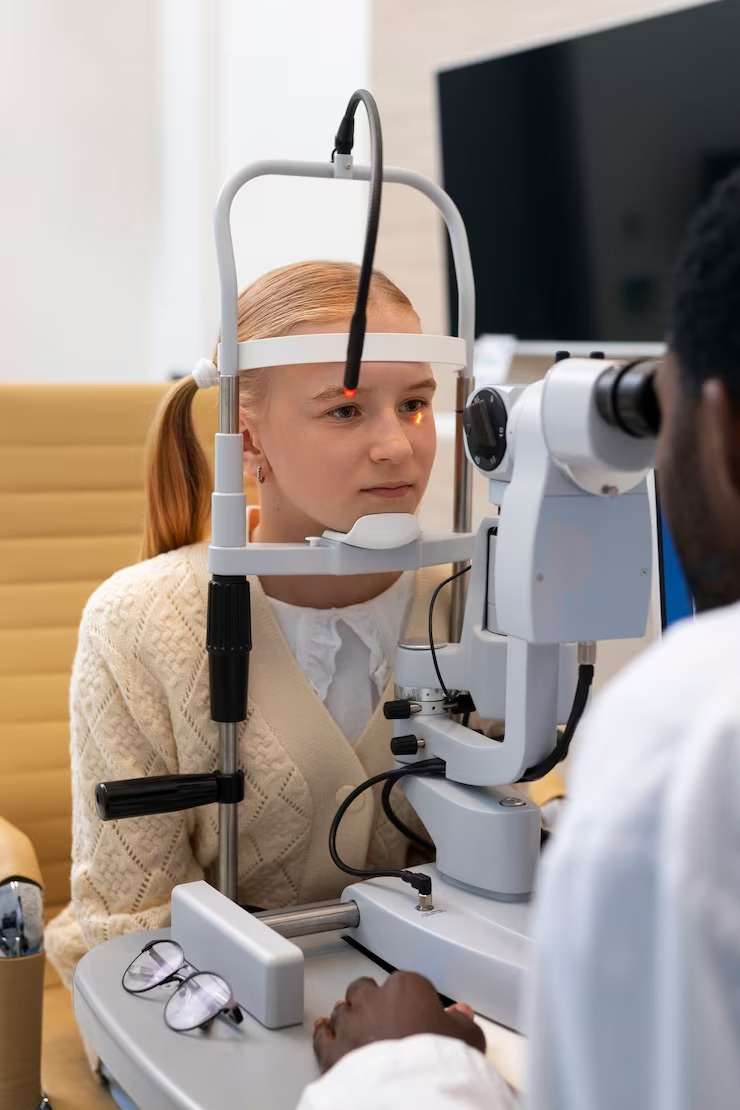
Preventive eye exams are designed to go beyond assessing visual acuity. While ensuring that your prescription is accurate is important, optometrists in Brampton also examine the eyes for structural and functional changes that could indicate early disease. These exams help identify problems that patients may not notice until vision is significantly impaired. By catching issues early, treatment options are more effective, outcomes are improved, and the risk of permanent vision loss is minimized. Preventive care is a proactive approach that helps patients maintain healthy vision throughout their lives.
Early Detection of Glaucoma
Glaucoma is known as the “silent thief of sight” because it can cause irreversible optic nerve damage before symptoms appear. During a routine eye exam, Brampton optometrists measure intraocular pressure and carefully examine the optic nerve to detect any signs of glaucoma. Early detection allows for timely intervention, which may include prescription eye drops, laser therapy, or surgical treatment. Identifying glaucoma early significantly reduces the risk of vision loss and ensures patients can maintain functional eyesight for years to come.
Identifying Cataracts Early
Cataracts occur when the eye’s natural lens becomes cloudy, leading to blurred vision, glare, and difficulty with night vision. While cataracts typically develop gradually, routine eye exams can detect subtle lens changes before they significantly affect daily life. Early identification allows patients to monitor progression, update their prescription lenses as needed, and plan for surgical intervention at the optimal time. Detecting cataracts early ensures smoother outcomes and helps maintain quality of vision and daily functionality.
Monitoring for Macular Degeneration
Age-related macular degeneration (AMD) affects the central portion of the retina, making it difficult to see fine details, read, or recognize faces. Comprehensive eye exams in Brampton include a thorough evaluation of the macula to detect early signs of AMD, such as drusen deposits or retinal pigment changes. Early detection allows optometrists to recommend preventive strategies, including nutritional supplements, lifestyle changes, and, in some cases, medical interventions to slow disease progression. Monitoring for macular degeneration ensures that central vision remains functional and supports a high quality of life.
Screening for Diabetic Retinopathy and Other Systemic Conditions
Eyes are often the first place where signs of systemic diseases appear. During preventive eye exams, optometrists look for changes in the blood vessels, retina, and optic nerve that may indicate diabetes, high blood pressure, or other health issues. Early detection of these conditions allows patients to coordinate care with their primary healthcare providers and manage their overall health more effectively. Comprehensive eye exams, therefore, not only protect vision but also provide valuable insights into broader health concerns.
Assessing Eye Function and Comfort
Regular eye exams also evaluate how well the eyes work together and how efficiently they focus. Tests for binocular vision, eye tracking, and focusing ability can reveal issues that cause eye strain, headaches, or difficulty with reading and screen work. Addressing these functional concerns early helps prevent discomfort and ensures that visual tasks can be performed comfortably and efficiently. Maintaining proper eye function is an essential component of preventive Brampton eye care.
Lifestyle and Preventive Guidance
In addition to diagnosing potential issues, optometrists provide guidance on lifestyle choices that promote long-term eye health. Recommendations may include wearing sunglasses with UV protection, maintaining a balanced diet rich in vitamins and antioxidants, taking regular breaks from digital devices, and avoiding smoking. Preventive strategies, combined with regular exams, can slow the progression of age-related eye conditions and support optimal vision throughout life. Patients who follow professional guidance are better equipped to maintain healthy eyes and prevent avoidable vision problems.
Conclusion
Regular eye exams are a cornerstone of preventive Brampton Eye Care. By detecting eye diseases such as glaucoma, cataracts, macular degeneration, and diabetic retinopathy early, patients can receive timely treatment and reduce the risk of permanent vision loss. Comprehensive exams also monitor functional vision and provide guidance for lifestyle changes that support long-term eye health. At Drs J & K Gill & Associates, patients benefit from thorough evaluations, advanced diagnostics, and personalized care designed to protect vision and overall wellness. Scheduling routine eye exams is a proactive step in preserving clear, comfortable, and healthy vision for life.