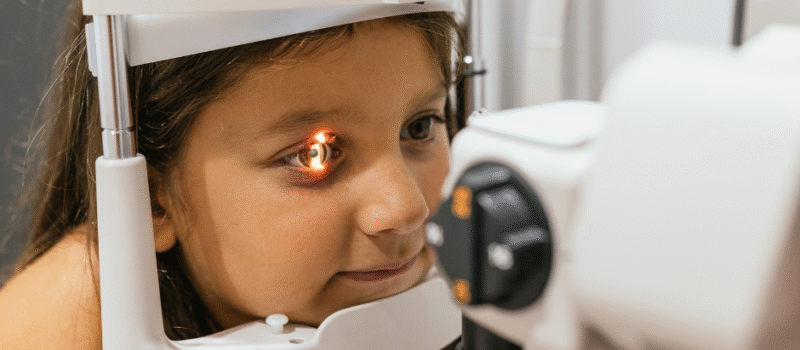
Laser vision correction has transformed the way people approach vision problems, offering freedom from glasses and contact lenses. People now believe that advanced technology equipment will deliver perfect results because they think that modern equipment should function without errors. The foundation of a successful laser vision correction procedure depends on proper diagnosis rather than advanced technology. The process of understanding your eyes and vision and specific health needs of yours results in the safe and effective treatment which brings you lasting happiness.
1. Every Eye Is Unique
Every human eye possesses unique characteristics which make it different from all other eyes. The assessment results will be affected by various elements including the thickness of the cornea and its shape and the size of the pupil and any existing eye disorders. The most advanced lasers enable surgeons to reshape corneas with high precision yet the system requires proper eye assessments to avoid complications during surgery.
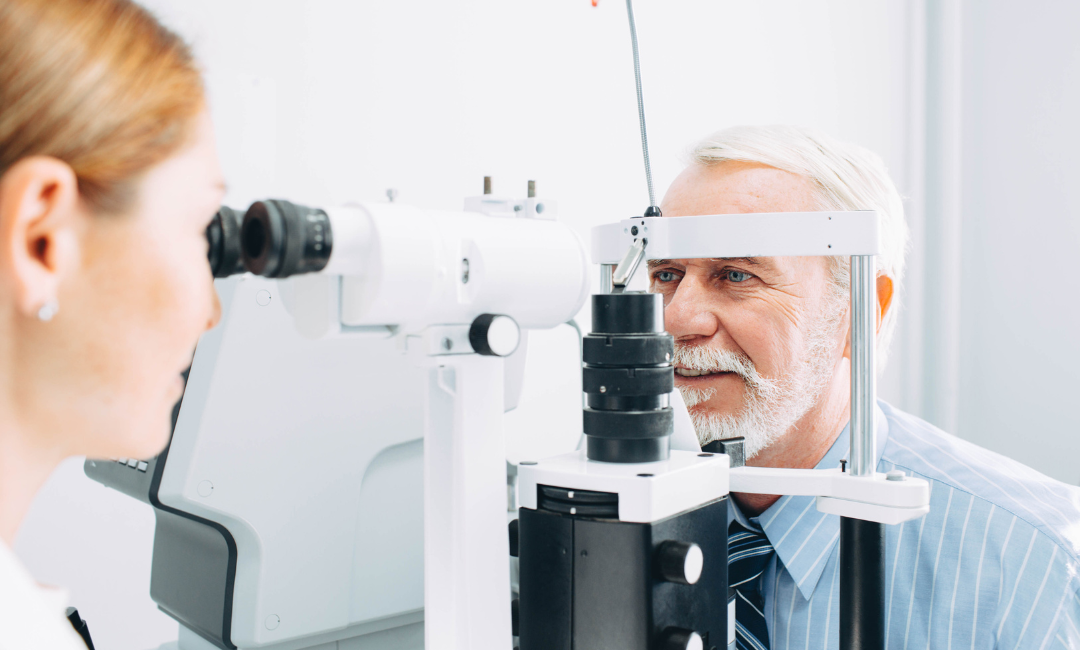
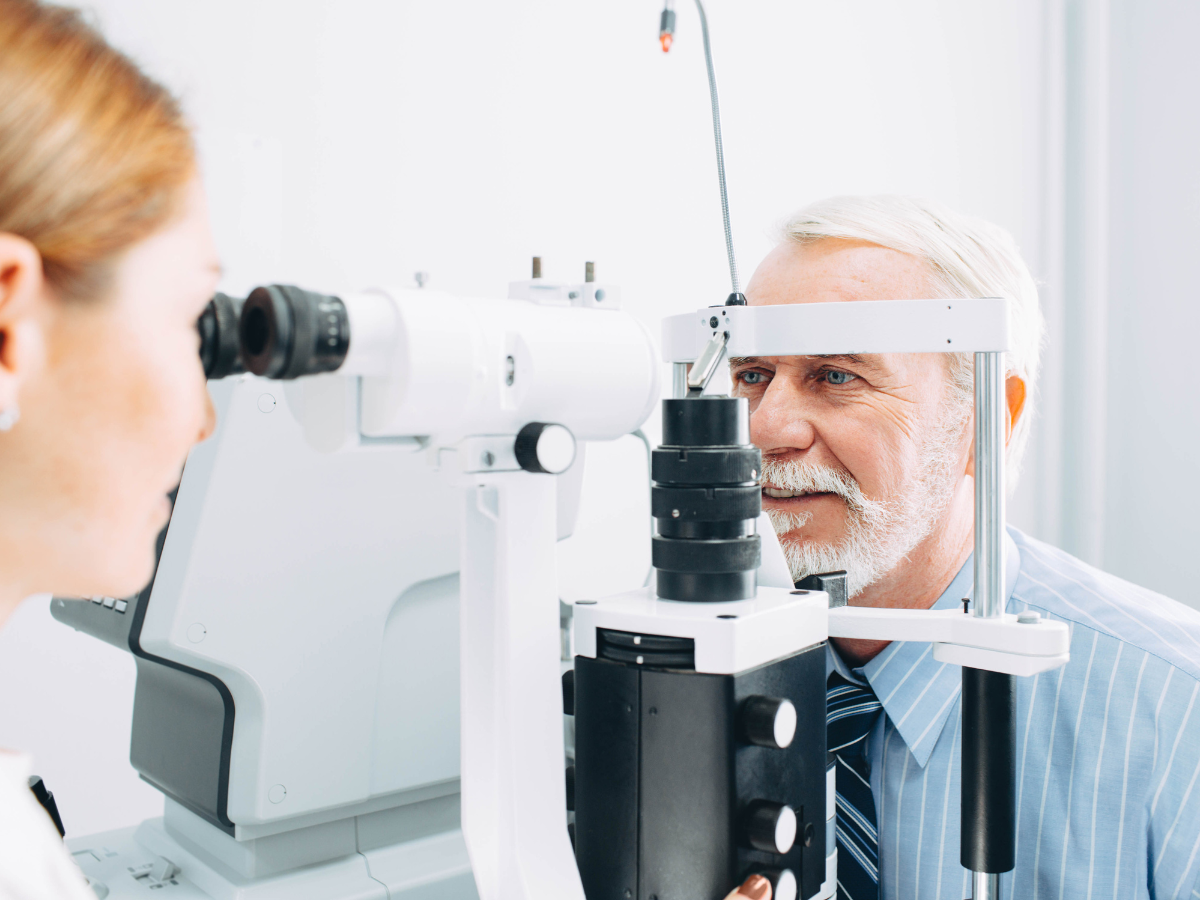
The correct method for establishing a diagnosis requires the following testing methods:
- Comprehensive eye exams
- Detailed corneal mapping
- Assessment of ocular health and vision stability
- Screening for conditions like keratoconus or dry eye
2. Technology Cannot Replace Expertise
The advanced capabilities of laser machines enable them to function as powerful instruments, but their operations remain restricted because they lack the ability to think and reason and detect minute changes in your eye condition. A qualified optometrist or ophthalmologist evaluates your diagnostic results to determine your eligibility for treatment. The treatment plan requires human judgment because it helps to prevent complications and establish proper expectations while customizing the treatment process.
3. Detecting Underlying Conditions
Some eye problems require complete diagnosis to become detected. Early glaucoma and cataracts and retinal issues all pose potential risks which affect laser vision correction procedures. The eye care professional uses pre-surgery condition identification to protect vision health and determine suitable laser treatment methods.
4. Long-Term Vision Stability
A proper diagnosis helps predict how your vision may change over time. The evaluation shows that the laser treatment will remain safe through time while maintaining excellent vision results. Patients who undergo thorough diagnostic screening experience higher satisfaction and fewer postoperative surprises.
5. Personalized Treatment Plans
The best technological solutions fail to create successful outcomes when they use a universal application method. Proper diagnosis allows for personalized treatment adjusting laser settings, flap thickness, and treatment zones to match your eyes’ specific needs. The process of customizing treatment leads to better results while decreasing the chances of future medical problems.
Conclusion
Modern laser vision correction depends on technology as a vital component which requires additional elements to complete the process. Comprehensive diagnosis serves as the essential foundation which establishes safe and efficient vision correction processes. Your eye care professional must conduct complete evaluations before developing a personalized treatment plan which leads to your laser surgery assessment. Your eyes need expert care which goes beyond technological solutions.