
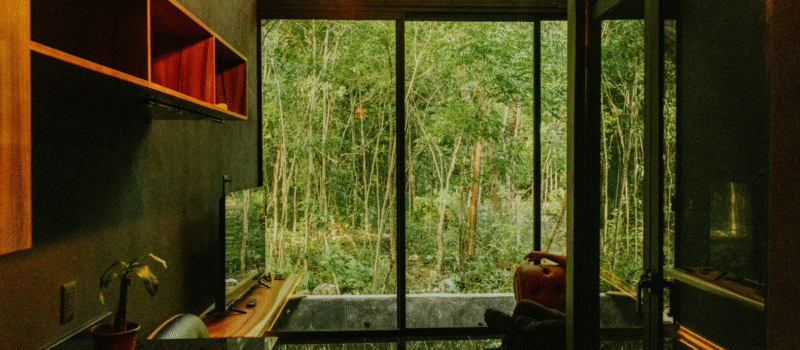
In recent years, the built environment has taken on a deeper responsibility than simply providing shelter or aesthetic appeal. Homes and hospitality spaces are increasingly expected to support physical health, emotional balance, and a sense of connection to place. This shift has elevated the importance of the Interior Design Practice as a catalyst for wellness-centered environments. At Voidcr, design is understood as a holistic process where spatial experience, material choices, and environmental awareness come together to nurture well-being in both residential and hospitality settings.
Understanding Wellness beyond Aesthetics
Wellness-focused design moves beyond visual harmony and enters the realm of lived experience. It considers how spaces influence mood, behavior, and long-term health. Interior environments can either heighten stress or promote calm, depending on how light, proportion, texture, and circulation are handled. When wellness becomes a guiding principle, interiors are conceived as restorative ecosystems rather than decorative backdrops, shaping how occupants feel, rest, and interact on a daily basis.
The Psychological Impact of Spatial Design
Interior spaces have a profound psychological influence on those who inhabit them. Ceiling heights, spatial flow, and visual openness can evoke feelings of freedom or confinement. Thoughtful design encourages intuitive movement, minimizes visual noise, and creates moments of pause. In wellness-centered interiors, spatial planning prioritizes clarity and balance, allowing occupants to feel grounded and mentally at ease, whether they are at home or within a hospitality environment.
Materiality as a Foundation for Well-Being
Materials play a critical role in shaping sensory experience. Natural textures, tactile surfaces, and responsibly sourced elements contribute to a sense of authenticity and comfort. When interiors rely on materials that age gracefully and respond to climate, they foster a deeper connection between people and their surroundings. Wellness-oriented interiors favor materials that feel honest and enduring, reinforcing a calm atmosphere that supports both physical comfort and emotional stability.
Light, Air, and the Rhythm of Daily Life
Natural light and ventilation are essential components of wellness-centered interiors. The way light enters a space influences circadian rhythms, energy levels, and overall mood. Interior design that carefully orchestrates daylight, shadows, and airflow enhances comfort while reducing reliance on artificial systems. In residential and hospitality contexts alike, spaces that breathe and respond to the time of day create environments that feel alive and attuned to human needs.
Designing for Residential Well-Being
In residential spaces, wellness is deeply personal. Interiors must adapt to daily rituals, moments of rest, and social interaction. A wellness-centered approach acknowledges that homes are places of recovery from the outside world. Design choices that support quiet reflection, restorative sleep, and meaningful connection contribute to long-term well-being. When interiors are designed with intention, they become supportive frameworks for healthier lifestyles rather than static enclosures.
Hospitality Spaces as Sanctuaries
Hospitality environments increasingly function as temporary homes, making wellness a defining expectation rather than a luxury. Guests seek spaces that offer comfort, sensory balance, and a connection to local context. Interior design in hospitality settings must balance functionality with emotional resonance, ensuring that guests feel both welcomed and restored. Wellness-centered hospitality interiors blur the boundary between retreat and experience, creating atmospheres that linger in memory long after departure.
Cultural and Environmental Context
Wellness cannot be separated from place. Interior design that responds to cultural narratives and environmental conditions fosters authenticity and belonging. By integrating local materials, craftsmanship, and spatial traditions, interiors gain meaning beyond global trends. Context-sensitive design supports wellness by grounding occupants in their environment, reinforcing a sense of identity and continuity that is especially valuable in both residential and hospitality spaces.
The Future of Wellness-Centered Interiors
As awareness of mental health, sustainability, and environmental responsibility grows, wellness-centered interiors will continue to evolve. The future of interior design lies in creating spaces that are adaptable, resilient, and deeply human. Rather than focusing on short-lived aesthetics, wellness-driven interiors emphasize longevity, flexibility, and emotional intelligence. These spaces are designed not just to be seen, but to be felt and lived in over time.
Conclusion
The growing emphasis on wellness has redefined how interiors are conceived and experienced. A thoughtful Interior Design Practice has the power to shape environments that support health, balance, and meaningful connection. Through a holistic and regenerative approach, Voidcr continues to explore how interior spaces can enhance quality of life in both residential and hospitality contexts, creating environments that resonate on physical, emotional, and cultural levels.