
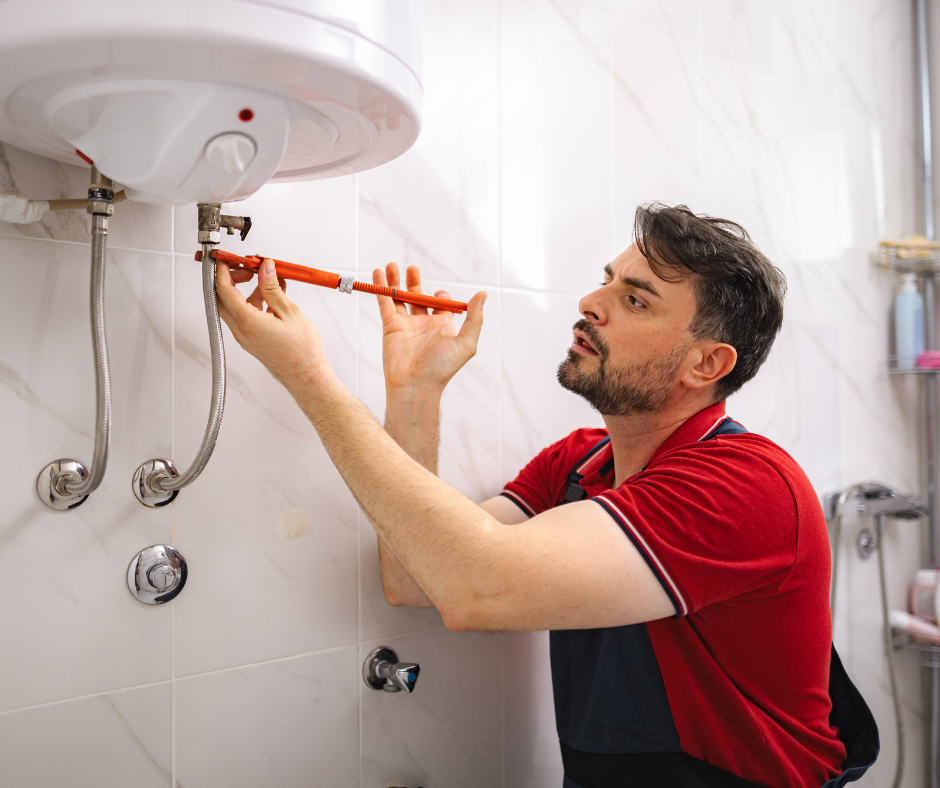
Hot water is something most homeowners rely on every single day. From showering and cleaning to cooking and laundry, it plays a vital role in maintaining comfort and hygiene at home. When the supply suddenly stops, it can feel frustrating, inconvenient, and sometimes even stressful. Understanding the basics of Water Heater Repair can help you stay calm and take the right steps before the issue becomes worse. Instead of panicking, it is important to identify the possible reasons behind the sudden loss of hot water and know how to respond effectively. In many cases, quick observation and timely action can help you restore functionality faster and avoid expensive repairs.
Check the Power Supply or Gas Source
One of the most common reasons for a sudden loss of hot water is a disruption in the power or fuel source. Electric water heaters rely on a consistent power connection, while gas heaters depend on a steady gas supply. If your water heater stops producing hot water, the first step is to verify whether the breaker has tripped or the gas valve has been turned off. Sometimes, a temporary power surge or maintenance activity can interrupt the supply without you noticing. Resetting the breaker or ensuring the gas line is open may solve the issue quickly. However, if the heater continues to malfunction after restoring power or gas, it could indicate an internal fault that requires professional attention.
Inspect the Thermostat Settings
Incorrect thermostat settings can also lead to unexpected hot water problems. Over time, the thermostat may shift due to vibration, accidental contact, or technical malfunction. If the temperature is set too low, the heater may not generate sufficient warmth, making it seem as though the hot water has stopped entirely. Carefully inspect the thermostat panel and adjust the temperature to a recommended level, usually between moderate comfort and energy efficiency. While making adjustments, ensure safety by avoiding direct contact with internal components. If the heater still fails to heat water after correcting the settings, there could be an issue with the heating element or sensor, which may require further diagnosis.
Look for Signs of Tank Sediment Build-Up
Water heaters, especially storage tank models, can accumulate mineral deposits over time. This sediment build-up reduces heating efficiency and can block the normal flow of hot water. When deposits settle at the bottom of the tank, they create an insulating layer that prevents the heating element from working effectively. As a result, the water may remain cold or take a long time to heat. Flushing the tank periodically helps maintain optimal performance and extends the appliance’s lifespan. If you hear unusual noises such as popping or rumbling from the heater, it may indicate sediment accumulation. In such situations, timely maintenance can restore normal heating and prevent further damage.
Check for Leaks or Plumbing Blockages
Leaks in the tank or surrounding pipes can interrupt hot water delivery and reduce pressure throughout the system. Even a small leak can cause significant temperature loss before the water reaches your tap. Similarly, plumbing blockages or corrosion inside pipes may restrict flow and create the impression that the heater has stopped working. Carefully inspect visible pipe connections, valves, and the tank surface for moisture or rust marks. Addressing minor leaks promptly can prevent structural damage and water wastage. If you suspect hidden pipe blockages, it is advisable to seek expert inspection, as improper handling may worsen the situation.
Evaluate the Age and Condition of the Heater
Water heaters have a limited operational lifespan, typically lasting several years depending on usage and maintenance. As they age, internal components such as heating elements, valves, and insulation begin to deteriorate. A sudden loss of hot water may be a sign that the unit is nearing the end of its service life. Older systems often require frequent repairs and consume more energy, making replacement a practical long-term solution. Observing rust, inconsistent heating, or recurring breakdowns can help you determine whether repair or upgrade is the better choice. Regular inspection and servicing play a crucial role in identifying potential problems before they lead to complete system failure.
Know When to Call a Professional
While basic troubleshooting can help resolve minor issues, certain water heater problems require technical expertise. Electrical faults, gas leaks, internal tank damage, or complex plumbing concerns should never be handled without proper training. Attempting to fix such issues on your own can pose safety risks and may void manufacturer warranties. A qualified technician can diagnose the root cause, perform safe repairs, and recommend preventive measures to keep your system functioning smoothly. Timely professional intervention not only restores hot water quickly but also ensures long-term reliability and efficiency.
Conclusion
Experiencing a sudden loss of hot water can disrupt daily routines and create unnecessary stress. By checking power sources, thermostat settings, sediment build-up, leaks, and overall system condition, homeowners can take the first steps toward identifying the problem. However, complex faults should always be handled by skilled professionals to avoid further damage and safety hazards. When expert assistance is needed, reliable support from American Plumbing services can help restore comfort and ensure your water heating system operates efficiently for years to come.