
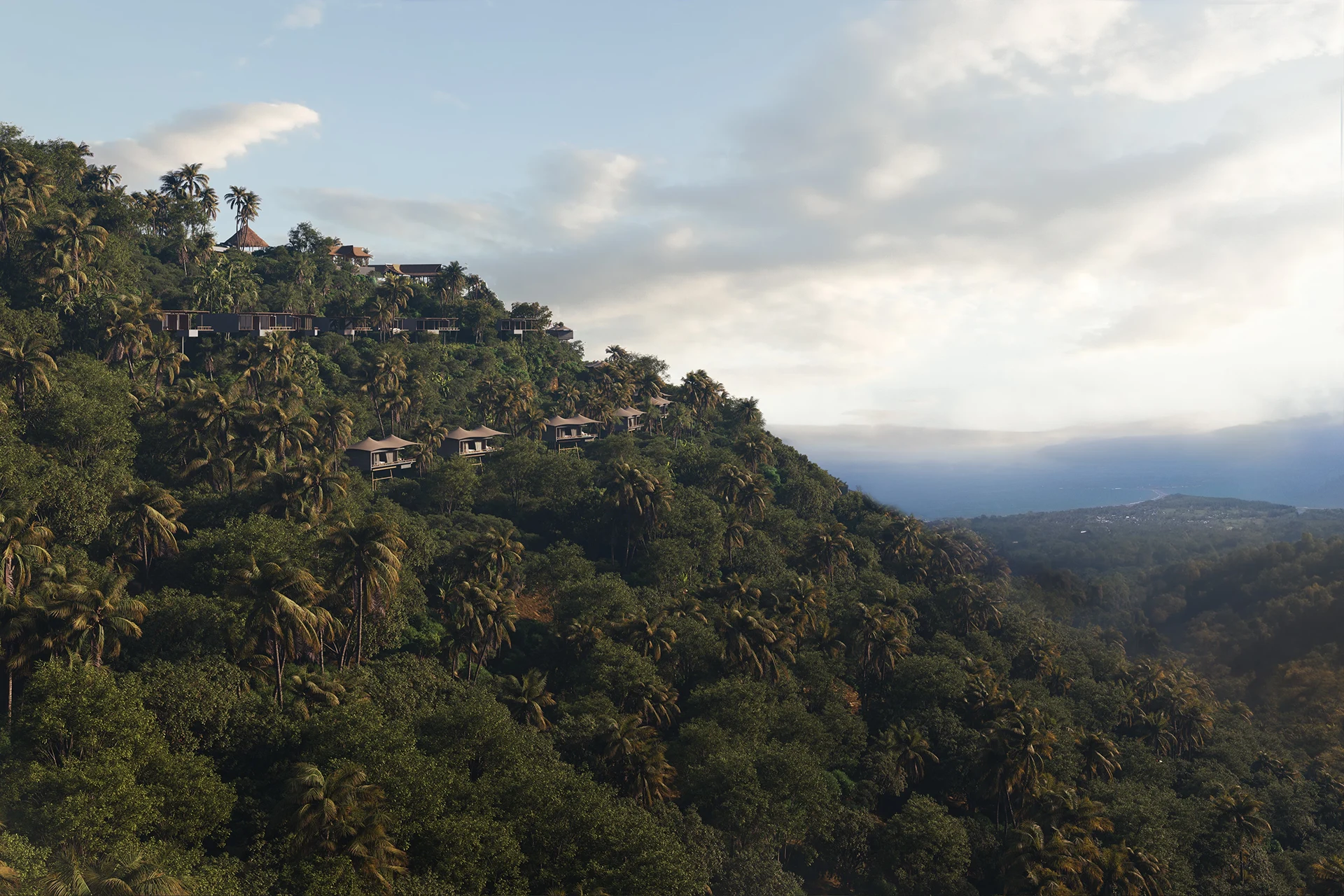
The conversation around sustainable development has expanded dramatically over the last decade. Architects, planners, and designers are no longer simply focused on reducing environmental harm they are increasingly working to create built environments that actively support and restore natural ecosystems. This shift has given rise to ecological design, a philosophy that emphasizes the deep relationship between human spaces and the natural world. In regions where biodiversity and landscapes play a crucial role in daily life, this approach is especially meaningful. The growing interest in ecological design Costa Rica reflects a broader movement toward architecture that respects and enhances natural environments. At Voidcr, this philosophy guides the way projects are conceived, planned, and designed, ensuring that the interaction between humans and nature remains at the center of every architectural solution.
The Evolution from Green Buildings to Ecological Design
For many years, the term “green building” defined the architectural industry’s environmental efforts. These buildings focused primarily on reducing energy consumption, minimizing waste, and using environmentally friendly materials. While these strategies remain important, ecological design goes far beyond these initial steps. Instead of focusing only on minimizing environmental damage, ecological design aims to create buildings that participate in natural systems. This includes designing structures that respond to climate conditions, preserve ecosystems, and maintain harmony with the surrounding landscape. By considering factors such as biodiversity, water systems, soil health, and local climate patterns, ecological design redefines how architecture interacts with the environment. The goal is not simply to build responsibly but to create environments where architecture becomes part of the ecological balance.
Designing with the Land Rather Than Against It
One of the most defining aspects of ecological design is the idea that architecture should respond to the land rather than reshape it entirely. Traditional construction methods often involve extensive land modification, which can disrupt natural habitats and alter ecosystems. Ecological design takes a different approach by studying the natural characteristics of a site before any design decisions are made. Topography, vegetation, water flow, and climate conditions all influence how a building should be placed and shaped. When architecture adapts to the natural landscape, it reduces environmental impact while enhancing the experience of the space. Buildings that follow the natural contours of the land or integrate existing vegetation create a stronger connection between people and their environment, resulting in spaces that feel both natural and intentional.
Integrating Architecture with Natural Ecosystems
Ecological design recognizes that architecture exists within a larger environmental system. Rather than isolating buildings from nature, this approach encourages integration with surrounding ecosystems. Architects consider how a building interacts with sunlight, wind, rainfall, and vegetation to create a balanced relationship between structure and environment. This integration can influence everything from building orientation to material selection. By working with natural conditions instead of resisting them, buildings become more efficient and environmentally responsive. For example, natural ventilation strategies reduce the need for mechanical cooling, while strategic shading can significantly lower energy use. When these principles are incorporated from the earliest design stages, architecture becomes an extension of the natural environment rather than an interruption of it.
Holistic Thinking in Modern Architecture
Another essential aspect of ecological design is holistic thinking. Instead of addressing sustainability through isolated features, ecological design examines the entire lifecycle of a project. This includes land planning, architecture, landscape design, and interior spaces. Every component of a project is considered as part of a larger system that affects both people and the environment. Holistic design thinking also involves understanding how communities interact with spaces and how architecture influences well-being. Natural light, ventilation, materials, and spatial organization all contribute to the quality of the built environment.
Regenerative Design and the Future of Architecture
One of the most exciting developments within ecological design is the concept of regenerative architecture. While sustainability focuses on reducing harm, regenerative design aims to create positive environmental impact. This means designing buildings that restore ecosystems, improve biodiversity, and contribute to environmental health over time. Regenerative architecture looks at how buildings can help repair damaged landscapes or support natural regeneration processes. It encourages architects to think beyond immediate construction goals and consider how their projects will influence the environment for decades to come.
The Role of Landscape and Land Planning
Landscape design and land planning play a critical role in ecological design. The spaces between buildings are just as important as the buildings themselves. Natural landscapes help regulate temperature, manage stormwater, support biodiversity, and create spaces for human interaction with nature. Effective land planning ensures that development occurs in harmony with the environment rather than at its expense.
Architecture that Enhances Human Experience
Ecological design is not only about protecting the environment- it is also about improving human experiences within built spaces. When architecture embraces natural elements such as light, airflow, and vegetation, it creates environments that promote comfort, well-being, and productivity. Studies consistently show that people feel more connected, relaxed, and inspired when surrounded by nature. Ecological design therefore aims to strengthen the relationship between people and the natural world
Conclusion
The future of architecture lies in approaches that move beyond traditional sustainability toward deeper environmental integration. Ecological design offers a framework for creating buildings that respect natural systems while enhancing human experiences. As awareness of environmental challenges continues to grow, architects and developers are increasingly adopting design strategies that support ecosystems and communities alike. The expanding interest in ecological design Costa Rica highlights how regions rich in natural beauty are leading the way in this architectural transformation. Through a commitment to regenerative thinking and holistic design, Voidcr continues to explore innovative ways to connect architecture, landscape, and sustainability demonstrating how the built environment can evolve in harmony with nature.