
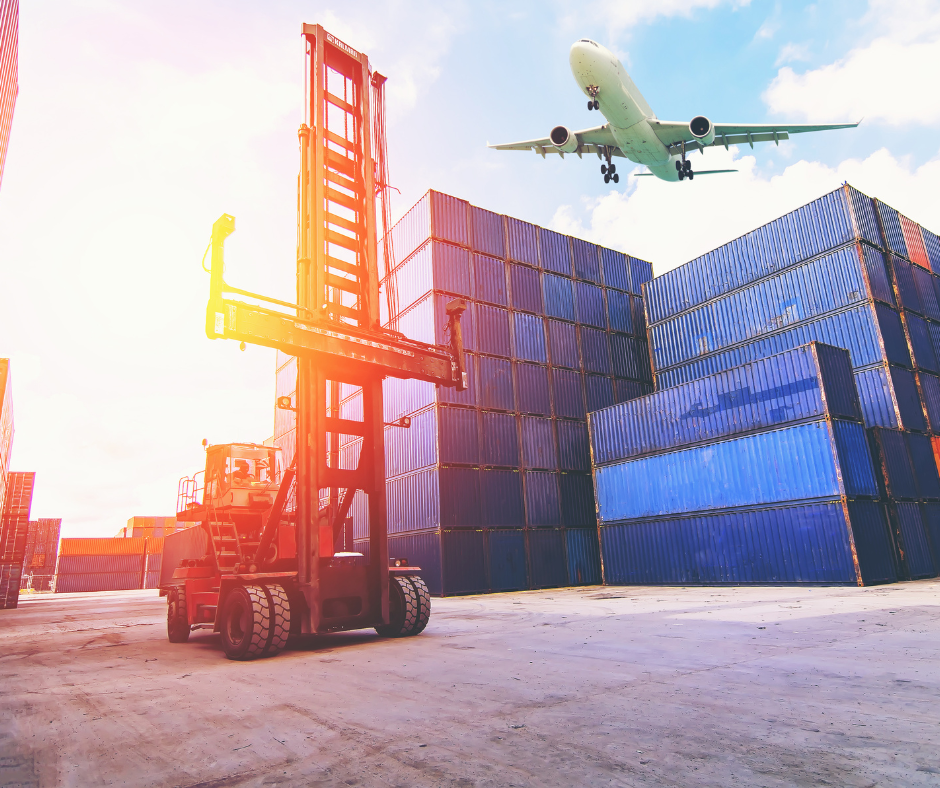
Global trade has evolved into a highly interconnected system where goods move across multiple countries, ports, and transportation modes before reaching their final destination. Businesses today operate in a fast-paced environment shaped by international regulations, fluctuating market demands, and tight delivery schedules. In this complex framework, logistics coordination has become a strategic function rather than a simple operational task. This is where freight forwarding companies play a vital role, acting as facilitators who ensure that global trade flows smoothly despite growing logistical challenges.
Coordinating International Transportation Networks
Modern transportation networks rely on seamless coordination between ocean freight, air cargo, inland transport, and port operations. Each shipment involves numerous stakeholders, including carriers, port authorities, customs officials, and warehouse operators. Freight forwarders manage this complexity by planning routes, coordinating schedules, and selecting appropriate transport modes based on cargo requirements. Their ability to synchronize multiple elements within global transportation networks helps businesses maintain consistent delivery timelines and avoid costly disruptions.
Ensuring Regulatory Compliance and Documentation Accuracy
International trade is governed by strict customs regulations, trade agreements, and documentation standards that vary from country to country. Even minor errors in paperwork can result in shipment delays, fines, or rejected cargo. Freight forwarding specialists oversee customs documentation, tariff classifications, and regulatory filings to ensure compliance at every stage of transit. By minimizing compliance risks, they help businesses protect their supply chains while maintaining smooth cross-border operations.
Enhancing Efficiency and Cost Optimization
Cost control is a critical concern for companies engaged in international trade. Freight forwarders contribute to efficiency by identifying optimal shipping routes, consolidating cargo where possible, and negotiating competitive rates with carriers. Their expertise enables businesses to reduce transportation expenses while maintaining service reliability. In addition, efficient planning helps prevent unnecessary storage costs, demurrage charges, and delays, all of which directly impact profitability within global transportation networks.
Supporting Supply Chain Resilience
Supply chain disruptions have become increasingly common due to port congestion, regulatory changes, and geopolitical uncertainties. Freight forwarders help businesses adapt to these challenges by offering alternative routing solutions, adjusting transport strategies, and responding quickly to unexpected changes. Their proactive involvement strengthens supply chain resilience, ensuring that goods continue to move even in uncertain conditions. This adaptability has become a key strategic advantage in modern global trade.
Facilitating Market Access for Businesses
Expanding into international markets requires more than competitive products; it demands reliable logistics support. Freight forwarders provide businesses with the operational knowledge needed to navigate unfamiliar regulations, port procedures, and shipping requirements. By simplifying complex logistics processes, they enable companies of all sizes to participate confidently in global trade. Organizations such as North Sea Agency demonstrate how professional forwarding expertise can help businesses establish and maintain strong international shipping operations without extensive internal logistics infrastructure.
Strengthening Maritime and Port Operations
Ports remain central hubs in global trade, particularly for ocean freight. Freight forwarders coordinate vessel schedules, cargo handling, and port services to ensure efficient turnaround times. Their close collaboration with maritime stakeholders helps reduce congestion and improve operational efficiency at ports. This coordination supports the stability of international transportation networks and enhances the overall reliability of global shipping systems.
Adapting to Technological and Industry Advancements
The logistics industry continues to evolve through digitalization, automation, and real-time tracking technologies. Freight forwarders increasingly leverage digital tools to improve shipment visibility, communication, and decision-making. These advancements allow businesses to monitor cargo movements more effectively and respond quickly to potential disruptions. Forward-thinking service providers like North Sea Agency highlight the importance of combining industry experience with modern technology to meet the demands of contemporary global trade.
Conclusion: A Strategic Pillar of Global Trade
In today’s interconnected economy, freight forwarding companies serve as strategic partners rather than simple intermediaries. Their role in coordinating transportation networks, ensuring regulatory compliance, optimizing costs, and strengthening supply chain resilience makes them essential to modern global trade. As international commerce continues to grow in complexity, the expertise and adaptability of professional freight forwarders will remain a cornerstone of efficient and reliable transportation networks worldwide.