
Introduction
Sublimation clothing has emerged as a transformative force in modern apparel design, redefining how designers, brands, and manufacturers approach creativity and production. As fashion continues to merge with technology, this printing method offers a seamless way to combine vibrant aesthetics with functional performance. Unlike traditional printing techniques, sublimation integrates color directly into the fabric, allowing designs to become part of the garment rather than sitting on its surface. This innovation supports the growing demand for customization, durability, and efficiency in today’s apparel market. From sportswear to lifestyle fashion, sublimation is helping designers push boundaries while meeting consumer expectations for quality and individuality.
Unlimited Design Freedom and Color Precision
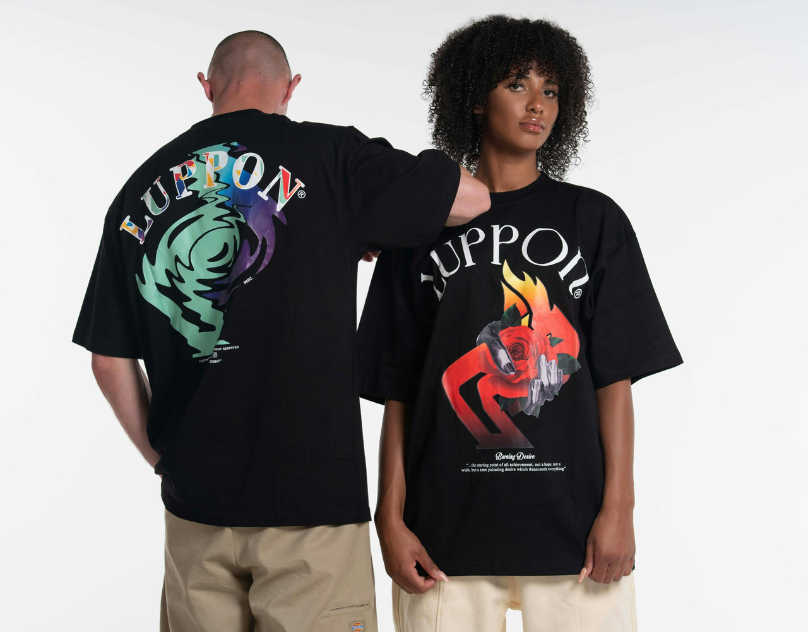
One of the most significant advantages of sublimation lies in the creative freedom it provides designers. This technique allows intricate patterns, gradients, and high-resolution imagery to be printed without limitations on color count or complexity. Since the ink becomes part of the fabric fibers, designers can experiment with edge-to-edge prints that maintain clarity and consistency across the entire garment. This level of precision is particularly valuable in contemporary fashion, where visual storytelling and bold aesthetics play a crucial role. Sublimation supports the creation of unique, expressive apparel that reflects brand identity while maintaining consistency across production runs, even at scale.
Durability and Long-Lasting Wear
Modern consumers expect apparel that not only looks good but also withstands regular use. Sublimation clothing excels in durability because the ink does not crack, peel, or fade over time. Unlike surface-level prints, sublimated designs remain intact even after repeated washing and exposure to environmental factors. This makes sublimation ideal for activewear, uniforms, and everyday garments that experience frequent wear. Designers and brands benefit from fewer quality complaints and longer product lifecycles, which enhances customer satisfaction. The result is apparel that maintains its original appearance and value, reinforcing trust between brands and their audiences.
Comfort and Fabric Performance
Comfort is a defining factor in modern apparel design, and sublimation contributes positively in this area. Because the ink bonds with the fabric at a molecular level, the texture and breathability of the material remain unchanged. This ensures garments stay lightweight, flexible, and comfortable against the skin. For performance-driven apparel such as sportswear or athleisure, this advantage is especially important. Designers can create visually striking pieces without compromising airflow or moisture-wicking properties. Sublimation allows apparel to perform as intended while still delivering strong visual impact, aligning with consumer preferences for versatile and functional clothing.
Efficiency and Sustainable Production Benefits
Sublimation also supports more efficient and responsible production practices. The process generates minimal waste compared to traditional printing methods, as it does not require excess inks, screens, or water-intensive steps. This efficiency reduces production time and lowers the risk of errors, making it suitable for both small-batch customization and larger manufacturing runs. As sustainability becomes a central concern in fashion, sublimation offers a practical way to reduce environmental impact while maintaining quality. Designers and manufacturers can streamline workflows, cut down on resource usage, and respond faster to market trends, which is essential in today’s fast-evolving apparel industry.
Customization and Market Adaptability
Personalization has become a defining trend in modern fashion, and sublimation enables brands to meet this demand with ease. From custom team uniforms to limited-edition fashion collections, this technique allows for flexible design changes without significant setup costs. Designers can quickly adapt graphics, colors, or branding elements to suit specific audiences or campaigns. This adaptability is invaluable in a competitive market where consumers seek unique products that reflect their individuality. Sublimation empowers brands to offer tailored solutions while maintaining consistency and quality, helping them stay relevant and responsive to changing consumer preferences.
Conclusion
The rise of sublimation printing has reshaped modern apparel design by blending creativity, durability, comfort, and efficiency into a single production method. Its ability to deliver vibrant, long-lasting designs while supporting customization and streamlined manufacturing makes it a powerful choice for contemporary fashion brands. As the industry continues to evolve, businesses that embrace innovative techniques are better positioned to meet both creative and commercial goals. Companies such as Ethic Star Ltd recognize the value of forward-thinking apparel solutions, demonstrating how sublimation can play a vital role in shaping the future of modern clothing design.